Screened Porch or Covered Porch: Which Design Fits Your Roswell, GA Home?
Screened porches provide full insect protection and enclosed comfort, while covered porches deliver open-air ambiance with overhead shelter from sun and rain.
Homeowners in Roswell, GA often weigh the benefits of screened versus covered porches when planning outdoor living upgrades. Both options extend usable space beyond the home's interior, but they serve different needs. Screened porches create a bug-free zone ideal for dining and relaxing during Georgia's warm months, while covered porches offer flexible, open-air entertaining with protection from the elements. Your choice depends on how you plan to use the space, your budget, and your property's layout.
How Do Screened Porches Perform in Georgia's Climate?
Screened porches keep out mosquitoes, gnats, and pollen while allowing breezes to flow through, making them comfortable during spring, summer, and fall in Roswell.
Georgia's humid climate and abundant vegetation create ideal conditions for insects, especially from April through October. Screened porches use heavy-duty aluminum framing and commercial-grade screening to block bugs without obstructing views or airflow. Integrated ceiling fans and lighting enhance comfort and usability during warm evenings. The enclosed design also keeps out leaves, pine needles, and pollen, reducing cleanup and protecting furniture from debris.
Screened porches work best on properties with tree cover or near wooded areas where insect activity is high. Homeowners who enjoy outdoor meals, reading, or entertaining without constant swatting appreciate the uninterrupted comfort. Families looking to explore screened porch options in Roswell, GA often prioritize the ability to use the space throughout the day without chemical repellents or citronella candles.
What Advantages Do Covered Porches Offer?
Covered porches provide shade and rain protection while maintaining an open, airy feel that connects directly to the yard and outdoor activities.
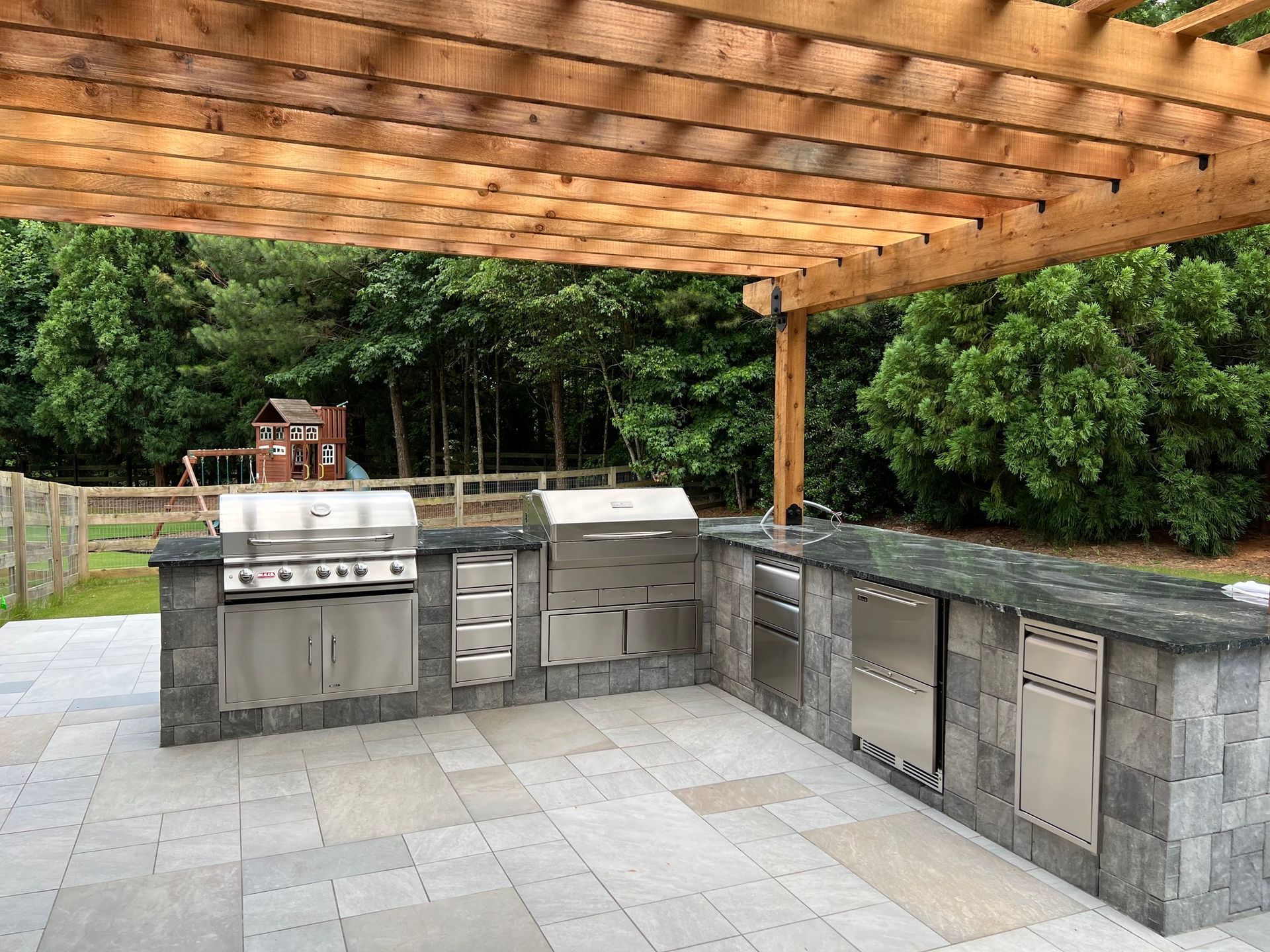
A covered porch extends the roofline to create a sheltered area without walls or screens. This design allows unobstructed views, easy access to the lawn and garden, and a seamless transition between indoor and outdoor spaces. Covered porches work well for homes with open backyards, poolside seating areas, or properties where insect pressure is manageable.
The open design accommodates larger gatherings and flexible furniture arrangements. Homeowners can add portable heaters or fire pits to extend use into cooler months. Covered porches also support hanging plants, outdoor speakers, and decorative lighting without the visual barriers of screening. The structure protects against sun and rain, making it comfortable during afternoon showers or hot summer days.
Which Option Requires More Maintenance?
Screened porches need occasional screen repairs and frame cleaning, while covered porches require gutter maintenance and periodic roof inspections.
Screening material can tear or sag over time, especially if pets or children press against it. Replacing damaged panels is straightforward but adds to long-term upkeep. Aluminum frames resist rust and corrosion in Georgia's humidity, but joints and fasteners should be checked annually. Pollen and dust accumulate on screens, requiring periodic washing with a hose or soft brush.
Covered porches demand attention to the roof and drainage systems. Gutters must be cleared of leaves and debris to prevent water damage to the porch structure and home foundation. Roofing materials should match the main house and receive the same maintenance schedule. Homeowners who want to find covered porch help in Roswell, GA often choose designs that integrate seamlessly with existing rooflines and use matching shingles or metal panels for a cohesive appearance.
Can You Add Features Like Fans, Lighting, and Heating to Both Designs?
Both screened and covered porches support ceiling fans, recessed lighting, and electrical outlets, with covered porches offering easier installation of heaters and large fixtures.
Screened porches typically include integrated electrical systems during construction, with wiring concealed within walls and ceiling structures. Ceiling fans improve air circulation and comfort, while recessed or pendant lighting extends usability into evening hours. Outlets allow for lamps, speakers, and small appliances. The enclosed design limits the size and type of heating elements due to ventilation and safety considerations.
Covered porches provide more flexibility for adding large ceiling fans, chandeliers, and freestanding heaters. The open design allows heat to dissipate naturally, making propane or electric heaters safe and effective. Homeowners can install retractable screens or curtains later if insect protection becomes a priority, combining the benefits of both porch styles.
What Are the Cost Differences Between Screened and Covered Porches?
Screened porches generally cost more due to framing, screening materials, and integrated electrical work, while covered porches focus on roofing and structural support.
A screened porch requires a complete frame with posts, beams, and screening panels, plus doors for entry and exit. Commercial-grade screening and aluminum framing add to material costs. Electrical installation for fans, lights, and outlets increases labor expenses. The enclosed design also demands careful attention to drainage and ventilation to prevent moisture buildup.
Covered porches involve roofing materials, support columns, and architectural trim but skip the screening and door components. The simpler structure often results in lower material and labor costs. However, premium roofing materials, custom columns, and integrated lighting can bring the price closer to a screened porch. Both options add significant value to a home and enhance outdoor living in North Metro Atlanta's climate.
Forever Outdoors designs and builds custom screened and covered porches tailored to your Roswell property and lifestyle. Request a consultation to compare designs, review material options, and plan a porch that expands your home's comfort and usability year-round.